- Canada
- Last Update 11.30 am
- 21℃ Toronto, Canada
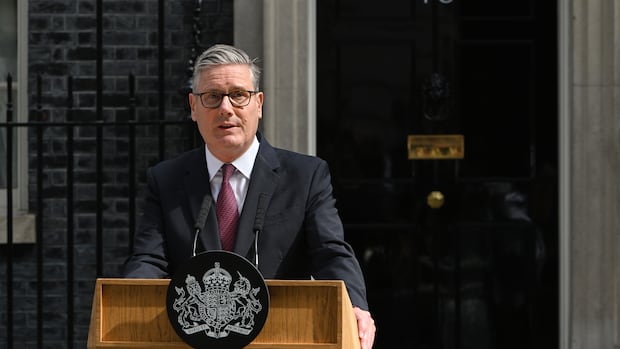
U.K. Prime Minister Keir Starmer announces resignation, sets out timetable for exit
Just days after winning a byelection that reignited speculation about the Labour Party's future, Andy Burnham arrived at Westminster on Monday to a welcome that felt part celebration, part coronation.
Burnham's path to becoming Britain's next prime minister now appears wide open.
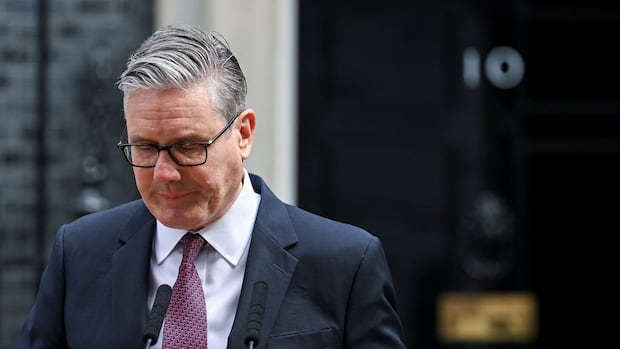
Earlier Monday, Prime Minister Keir Starmer announced he would step down as Labour leader after just two years in office, acknowledging that his party no longer believed he was the right person to lead it into the next election.
Starmer said he would resign and ensure an orderly transfer of power, with Andy Burnham the likely successor.
The resignation follows months of speculation, poor local election results in May and growing dissatisfaction among Labour MPs.
Burnham, 56, formally confirmed he will seek the leadership. Hours later, former cabinet minister Wes Streeting — widely viewed as the only figure with enough support to mount a serious challenge — endorsed him instead, meaning Burnham could become leader without a contested race.
A former cabinet minister and three-term mayor of Greater Manchester, Burnham has built his political identity around what he calls Manchesterism, a platform focused on decentralizing power away from London.
Political analysts say Burnham inherits many of the same challenges that helped bring down Starmer, including sluggish economic growth, strained public services and voter frustration over living costs.
But after a day of rapid developments, Labour appears eager to unite behind a new leader rather than endure another lengthy leadership battle.
Recent News